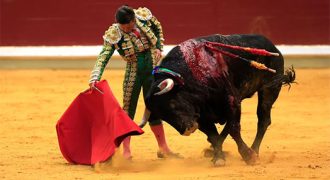
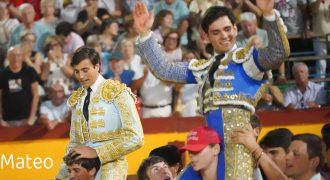
When all is said and done, we share this Earth will zillions of other species and humankind has prevailed over them all by the enigmatic expansion of its brain-power. To the point that we can now encompass empathy for those over which we hold sway. But the fact remains that almost all animals devour others to survive — and so do we, even if, in an ideal world, we probably wouldn’t have to. But such a Utopia is a long way from being achieved. It would mean a complete reversal of Darwinian principles, just as pure Communism would mean a denial of most human instincts as we have known them since the civilisations of Ancient Greece and Rome, or since Shakespeare wrote his humanity-defining plays.
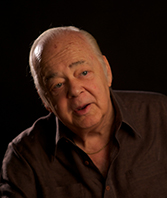
Bill Cranfield
As we rush to embrace a future posited on ethics that we would like to prevail, we are in danger of forgetting what it actually is that makes us tick, here and now, and that has guided our progress since we first crawled out of the caves. A key plank of this survival has been our single-minded resolve to deal with threats to it. When bird flu broke out in Hong Kong some years back, the authorities had no hesitation in disposing of the entire chicken population, while moves are afoot to cull badgers in Britain because it has now been proved that they pass on TB to cows, which are a more valuable species (to us).
Farmers and others brought up on the land, the horse-racing fraternity, many professionals who work with exhibits in zoos, a lot of veterinarians, all share a no-nonsense attitude to animals that combines respect and admiration with practicality. Anyone involved with the bulls will tell you that they venerate the species and there are countless examples of incredible bonds being created between man and beast: Antoñete hand-feeding his retired stud-bull, a gigantic creature that could take his head off with one sudden shake of its mane; or the elderly “mayoral” who walks fearlessly (though very cautiously) into a herd of bulls to stroke one that still remembers being bottle-reared by him as a calf — and whose trust in this human is deferred to by its fellows. And almost all successful matadors aspire to having their own breeding ranch, where they can dedicate the rest of their lives to raising the animal that has given them so much, both materially and spiritually.